Telehospitalists for Rural Hospitals: Enhancing Care, Downstream Revenue, and Digital Health Access
Learn how Beam's Tele-Hospitalist program can support rural hospitals by keeping patients local, boosting downstream revenue, and more.
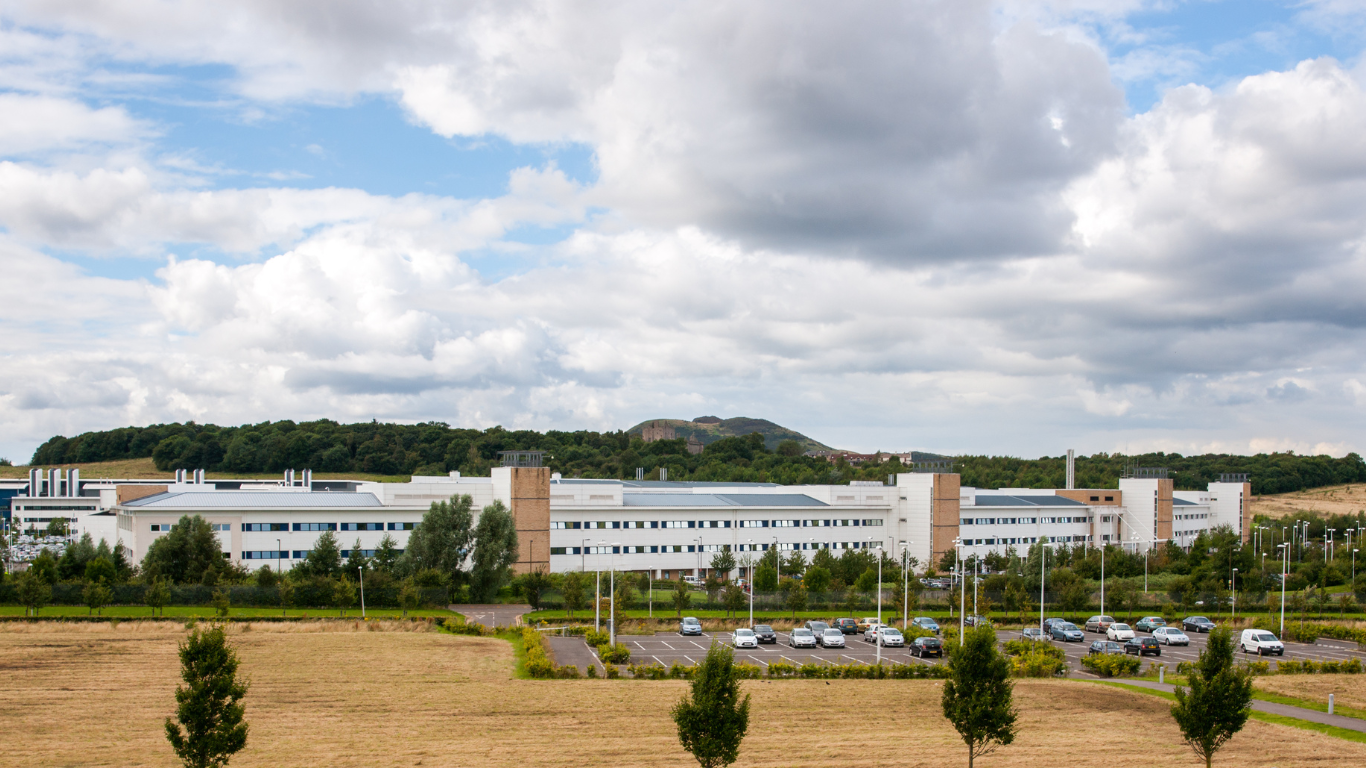

Rural hospitals face unique challenges in delivering high-quality care while remaining financially sustainable. Many small hospitals transfer high-acuity patients to larger urban centers due to limited staff or specialized expertise. These transfers often result in lost downstream revenue from labs, imaging, procedures, and outpatient visits. Beam Healthcare’s telehospitalists for rural hospitals address these issues—keeping patients local, strengthening community care, and supporting hospital financial health.
But delivering effective telehospitalist services goes beyond staffing. It requires addressing digital health literacy, technology infrastructure, and policy considerations to ensure rural communities can access and benefit from telehealth services.
Understanding Downstream Revenue in Rural Hospitals
Downstream revenue includes the income a hospital earns from services provided after admission, such as:
- Laboratory tests
- Imaging studies like X-rays or MRIs
- Inpatient procedures
- Follow-up outpatient visits
Transfers to larger hospitals result in lost revenue and underutilized local resources. Telehospitalists help retain patients locally, ensuring hospitals capture these critical revenue streams while improving access to high-acuity care.
Why Rural Hospitals Transfer Patients
Historically, rural hospitals rely on local primary care providers for inpatient care. While this approach preserves continuity, it has limitations:
- Overloaded clinics leave little time for hospital rounds
- Inconsistent inpatient protocols can impact quality
- Limited experience managing high-acuity patients
Patients exceeding local physicians’ comfort level are often transferred, reducing downstream revenue and straining local capacity. Telehospitalists for rural hospitals provide a solution by bringing specialized expertise directly into these facilities.
Digital Health Literacy and Telehospitalist Access
Even the most skilled telehospitalists can’t deliver effective care if patients and local staff aren’t comfortable using the technology. Beam Healthcare addresses this by focusing on practical, hands-on support for providers.
Beam conducts on-site training and onboarding for hospital staff, ensuring local clinicians understand how to collaborate with telehospitalists and integrate digital care into their workflows.
A key part of this approach is establishing “local heroes”—one or two staff members in each hospital who become highly confident with the technology. These local champions act as in-house experts, helping colleagues and new hires adopt telehealth tools smoothly and efficiently. This peer-based support fosters digital literacy across the hospital, improving adoption rates and ensuring telehospitalist care is delivered effectively.
Policy, Reimbursement, and Licensure Considerations
Deploying telehospitalist services requires navigating a complex regulatory environment:
- Licensure: Physicians must be licensed in the state where the patient is located. Telehospitalist programs often manage multi-state compliance to ensure care continuity.
- Reimbursement: Medicare, Medicaid, and private insurers have varying telehealth reimbursement policies. Programs must align with these rules to ensure financial sustainability.
- Regulatory compliance: Telehealth services must comply with HIPAA and other patient privacy regulations, requiring secure communication platforms and data handling protocols.
Understanding and addressing these policy considerations ensures telehospitalists can provide care legally, safely, and sustainably.
Facility, Technology, and Broadband Requirements
Rural hospitals need adequate infrastructure to support telehospitalist programs:
- High-speed broadband: Reliable internet is essential for video consultations, remote monitoring, and real-time collaboration with local staff.
- Telehealth equipment: Hospitals require monitors and digital diagnostic tools to conduct effective virtual consultations. Beam Healthcare actively assists hospitals in acquiring the monitors and equipment necessary for telehospitalist services, ensuring staff can deliver care seamlessly.
- Integration with hospital systems: Electronic health records (EHRs) and lab systems must sync with telehospitalist workflows to maintain continuity and capture downstream revenue.
Beam Healthcare works with hospitals to assess and implement the necessary technology, ensuring telehospitalists can deliver care efficiently and effectively.
How Telehospitalists Improve Patient Care and Revenue
1. Retaining High-Acuity Patients Locally
Telehospitalists allow rural hospitals to manage complex patients in-house, reducing unnecessary transfers. Patients stay closer to home, receive expert care, and hospitals retain revenue from labs, imaging, procedures, and follow-ups.
2. Supporting and Educating Local Staff
Telehospitalists collaborate with nurses, general practitioners, and other providers, improving confidence and care quality. Local physicians remain central to treatment while benefiting from guidance on high-acuity cases.
3. Strengthening Financial Sustainability
Each patient retained locally contributes to downstream revenue, enabling hospitals to reinvest in staff, equipment, and facility improvements. Over time, this supports long-term sustainability for rural healthcare systems.
Bridging the Gaps Without Replacing Local Providers
Telehospitalists complement—not replace—local physicians. Our team implements standardized inpatient protocols, provides guidance for complex cases, and offers flexible coverage options (24/7, hybrid, or tele-nocturnist models). This collaboration enhances patient safety, improves quality, and builds community trust in local hospitals.
Building a Long-Term Sustainable Model
By addressing digital health literacy, policy compliance, and infrastructure needs, telehospitalists can fully realize their impact in rural hospitals:
- Expanding service offerings for local communities
- Supporting technology investments and EHR integration
- Attracting and retaining skilled staff
- Improving hospital quality metrics and patient satisfaction
Telehospitalists are a strategic investment that strengthens both clinical outcomes and financial stability in rural hospitals.
Conclusion
Rural hospitals face staffing, resource, and infrastructure challenges that make high-acuity care difficult. Transferring patients may be necessary at times but comes at the cost of lost revenue and reduced local capacity. Telehospitalists for rural hospitals address these challenges by:
- Keeping patients local and capturing downstream revenue
- Supporting and educating local staff
- Bridging digital literacy gaps for patients and providers
- Navigating complex reimbursement, licensure, and regulatory requirements
- Leveraging robust facility and technology infrastructure
Beam Healthcare’s telehospitalists act as integrated partners, improving patient care, sustaining revenue, and strengthening rural communities. By combining clinical expertise with strategic support, telehospitalist programs create a sustainable, high-quality rural healthcare model.
For more information on how Beam Healthcare helps rural hospitals retain patients and optimize downstream revenue, visit beam.healthcare.