Telemedicine with Purpose: Real Benefits for Rural Healthcare and the Planet
At Beam, we're committed to tackling healthcare disparities and caring for the planet. Learn how telemedicine can support both.
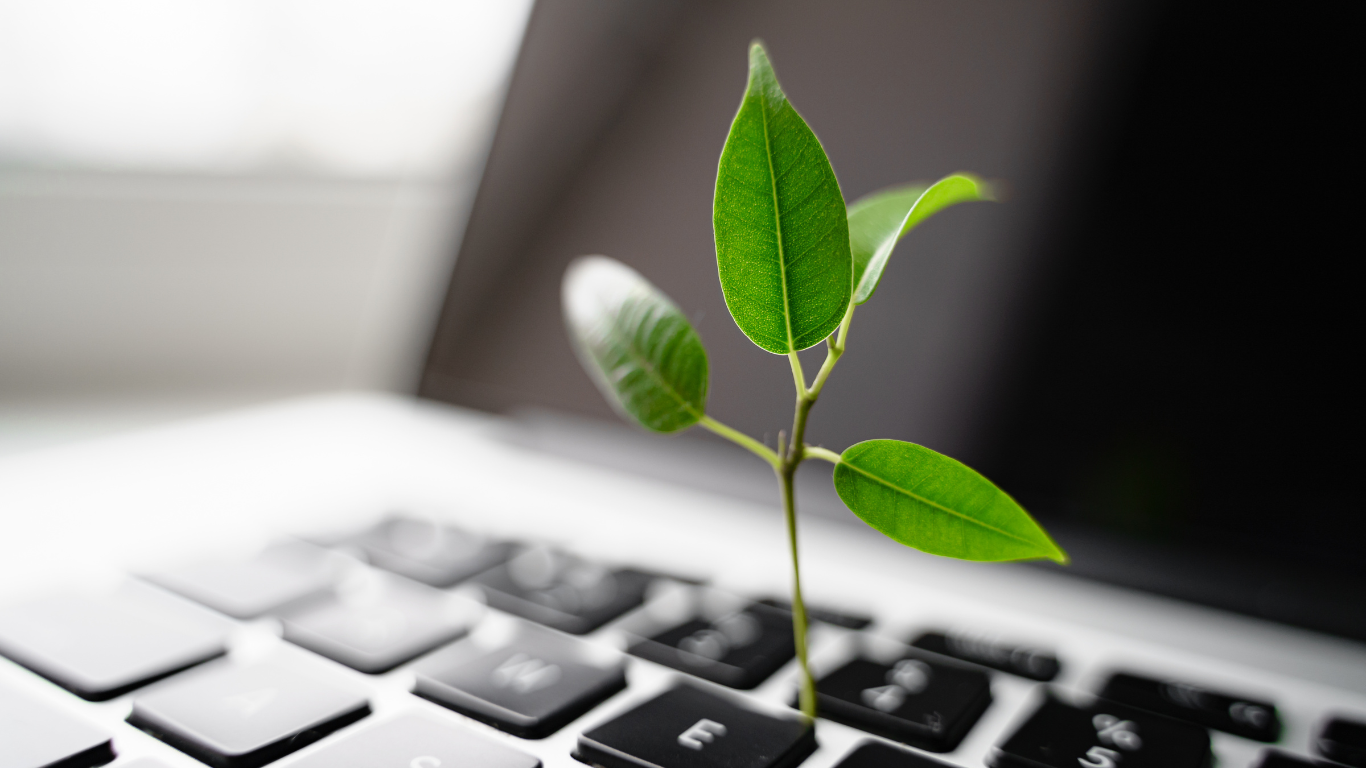

A recent large-scale U.S. study offers compelling insight: telemedicine isn’t just convenient—it contributes meaningfully to reducing carbon emissions while improving access to care in rural settings. At Beam, we see how everyday virtual visits can make a difference—both for patients and the planet.
Study Snapshot: Telemedicine’s Environmental Advantage
Between April and June 2023, researchers analyzed insurance claims representing nearly 19% of U.S. insured adults, which equated to about 1.5 million telehealth visits per month, including roughly 66,000 rural visits . They estimated that—when compared to in-person visits—telemedicine avoided 4 to 8.9 million kilograms of CO₂ emissions per month, accounting for travel and internet-related emissions . Scaled across the U.S., that translates to 21.4 to 47.6 million kg of CO₂ per month, or the equivalent of taking 61,000 to 130,000 cars off the road .
Why This Matters for Rural Community Care
- Long travel distances: Many rural patients typically drive far to reach care—telemedicine cuts down on time, cost, and emissions.
- Limited local resources: When rural providers face high-acuity cases or limited specialty access, telemedicine provides essential support close to home.
- Added efficiency: It allows rural hospitals to deliver key services locally, reducing patient transfers and maintaining care continuity—with fewer climate trade-offs.
How Beam Aligns with These Everyday Benefits
At Beam, we’re grounded in supporting rural communities in tangible ways. Our telemedicine services are designed not only for access—but also to be practical, sustainable, and centered on community needs:
- We bring tele-specialists, tele-hospitalists, and tailored services—from cardiology to infectious disease—to rural hospitals, critical access facilities, and clinics.
- We respect local workflows and enhance them with training, clear protocols, and on-site support—making telehealth feel seamless for both providers and patients.
- We believe good care should stay local whenever possible. That means fewer costly and disruptive transfers, stronger patient–provider relationships, and saving both money and emissions.
Telemedicine as a Natural Addition to Rural Practice
The study adds important data to what Beam’s rural partners see every day: telemedicine offers benefits that go beyond the clinical appointment—it’s a practical tool for health systems and communities:
- Facility leaders can reduce unnecessary transfers, retain revenue, and make better use of existing resources.
- Clinicians gain access to specialty support and experience with new models—without changing how they practice or overhauling infrastructure.
- Patients get timely care from home or the local clinic, without long travel or extra exposure to risk—and now with the added value of a reduced environmental footprint.
Beam in Action: Sustainable, Community-Focused Telemedicine
1. Multi-Specialty Telemedicine
We support cardiology, respiratory therapy, endocrinology, neurology, infectious disease, pulmonology, dermatology, and more, so patients don’t have to leave their communities for expert care.
2. Tele-Hospitalist Services
Telehospitalists collaborate with nurses, general practitioners, and other providers, improving confidence and care quality. Local physicians remain central to treatment while benefiting from guidance on high-acuity cases.
3. Tele-Case Management
This service smooths transitions between the ER, inpatient care, and follow-ups—improving coordination, efficiency, and comfort for everyone involved.
We’re committed to helping rural systems deliver better care, in ways that improve operational efficiency and community outcomes.
Building Trust, Capacity, and Real Impact
While the study quantified telemedicine’s emissions reduction, Beam’s focus remains largely practical:
- Digital health literacy: We work directly in hospitals—training staff, identifying local champions, and reducing tech friction.
- Technological support: From broadband assessments to equipment setup, we help make virtual care a workable reality in every rural setting.
- Regulatory guidance: Telehealth involves licensure, reimbursement, and privacy standards. Beam helps navigate these so operations remain secure and sustainable.
What This Means for You
If you’re a facility leader, clinician, or policymaker in rural healthcare, here’s what matters:
- Telemedicine is a sensible addition, not a radical change—one that supports care delivery, local capacity, and mild carbon impact benefits.
- Sustainable operations now includes considering how your care model affects the environment; telemedicine is a real way to shrink your footprint.
- Patient experience improves, whether through reduced travel, more timely access to specialists, or feeling cared for in their own community.
Looking Ahead: Practical, Purpose-Driven Telemedicine
Beam doesn’t just offer services—we partner with rural providers to evolve care in ways that feel natural and sustainable:
- Based on evidence: Studies like this reinforce practical benefits we value—access, efficiency, and now, measurable environmental gains.
- Focused on scalability: As awareness of telemedicine’s triple benefit grows—access, affordability, and reduced emissions—Beam is ready to support rural systems of all sizes.
- Always community-centered: What matters is improving real-world outcomes, in ways grounded in collaboration and local needs.
In Summary
Telemedicine is an effective way to enhance rural healthcare, reduce unnecessary travel, and deliver care with fewer environmental costs. This recent study highlights quantifiable carbon savings; Beam sees those benefits every day in the patients, staff, and systems we support.
If you're ready to explore how Beam can help your facility offer stronger, wiser, and more sustainable care, we would love to chat with you. Contact us today.